
"I Want to Make Films Viewers Get Lost In" How He Won the Carving & Ground Tricks Grand Prize | COWDAY FILM Interview #1
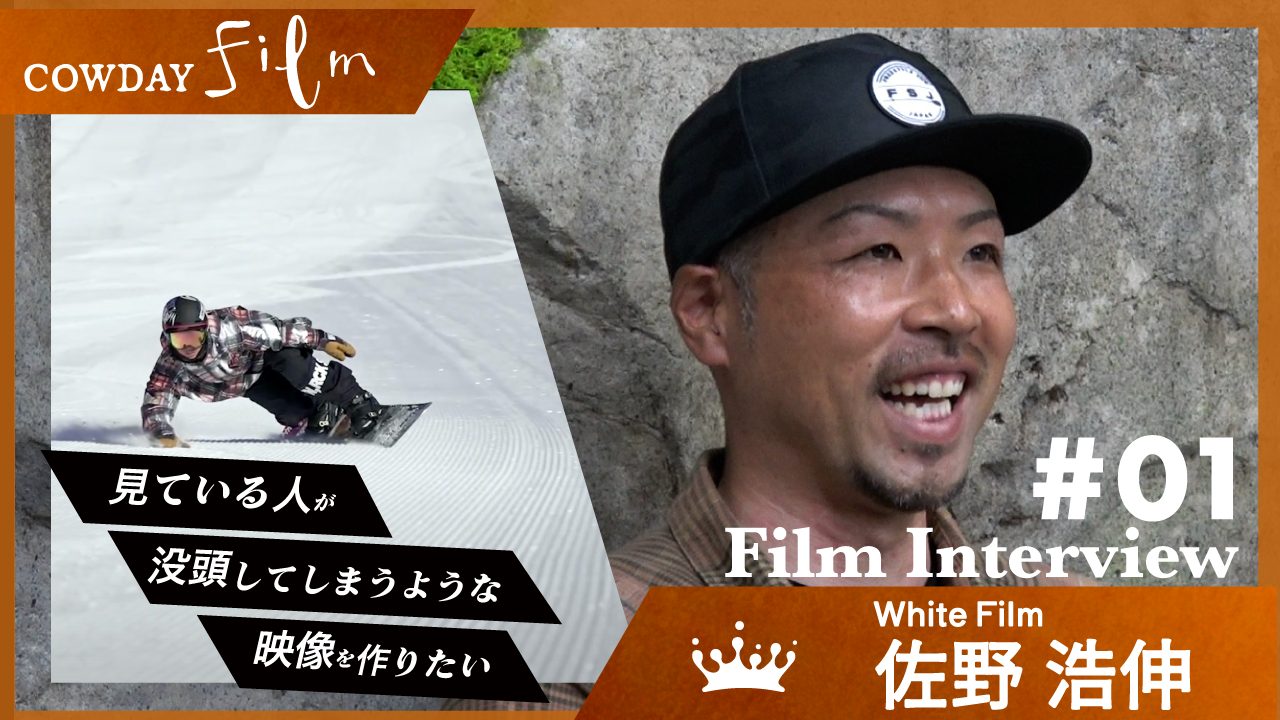
The interview series digging into the personalities of contest entrants, a hit at COWDAY SLOPE, has now launched for COWDAY FILM too. For our very first installment, we interviewed Hironobu Sano of White Film, who took the grand prize in last year’s Carving & Ground Tricks category. Saying “I want to make films that viewers get lost in,” he gave us specifics on what he cares about as a filmmaker, stories from shooting with riders, and his filming tips.
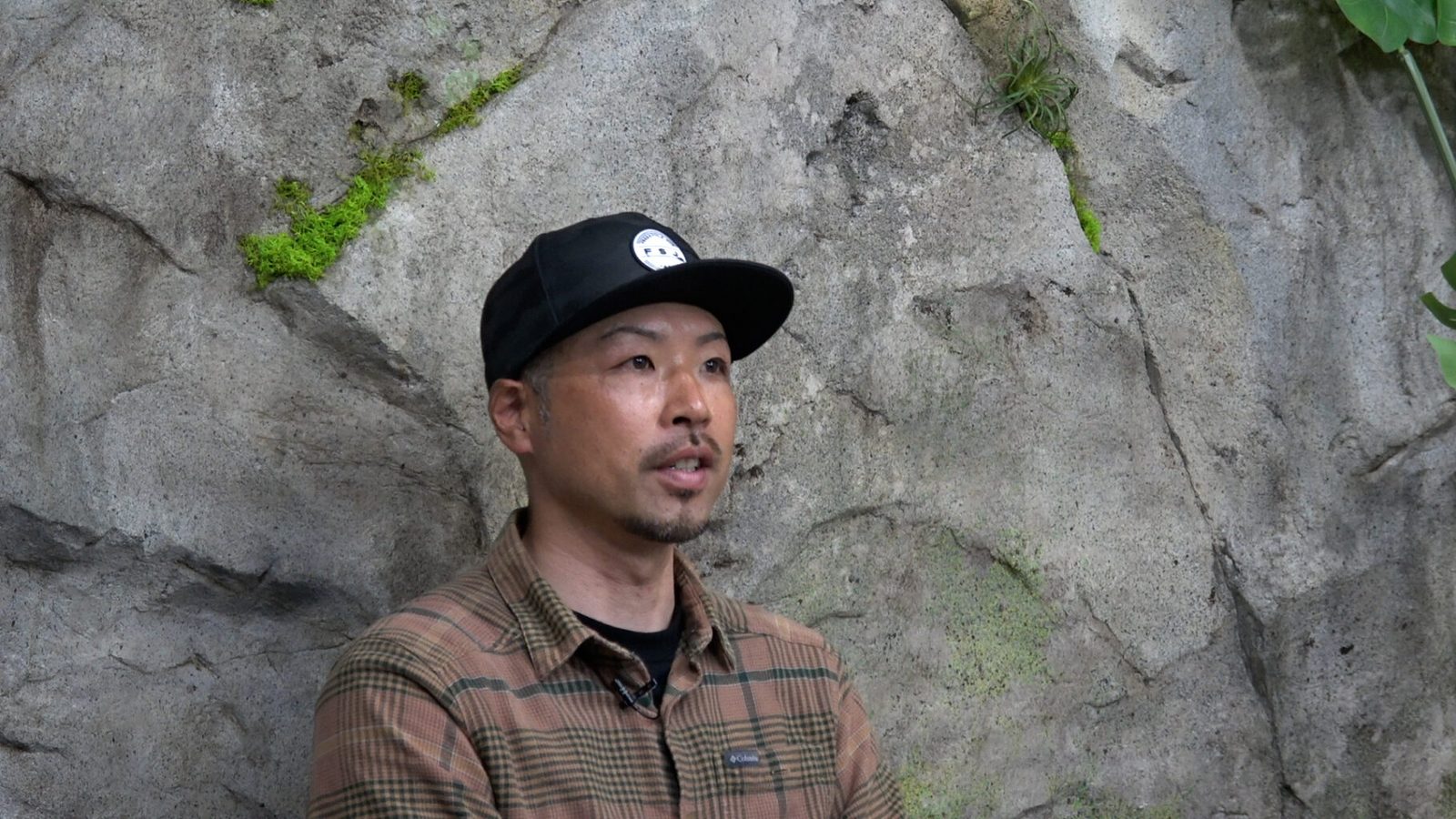
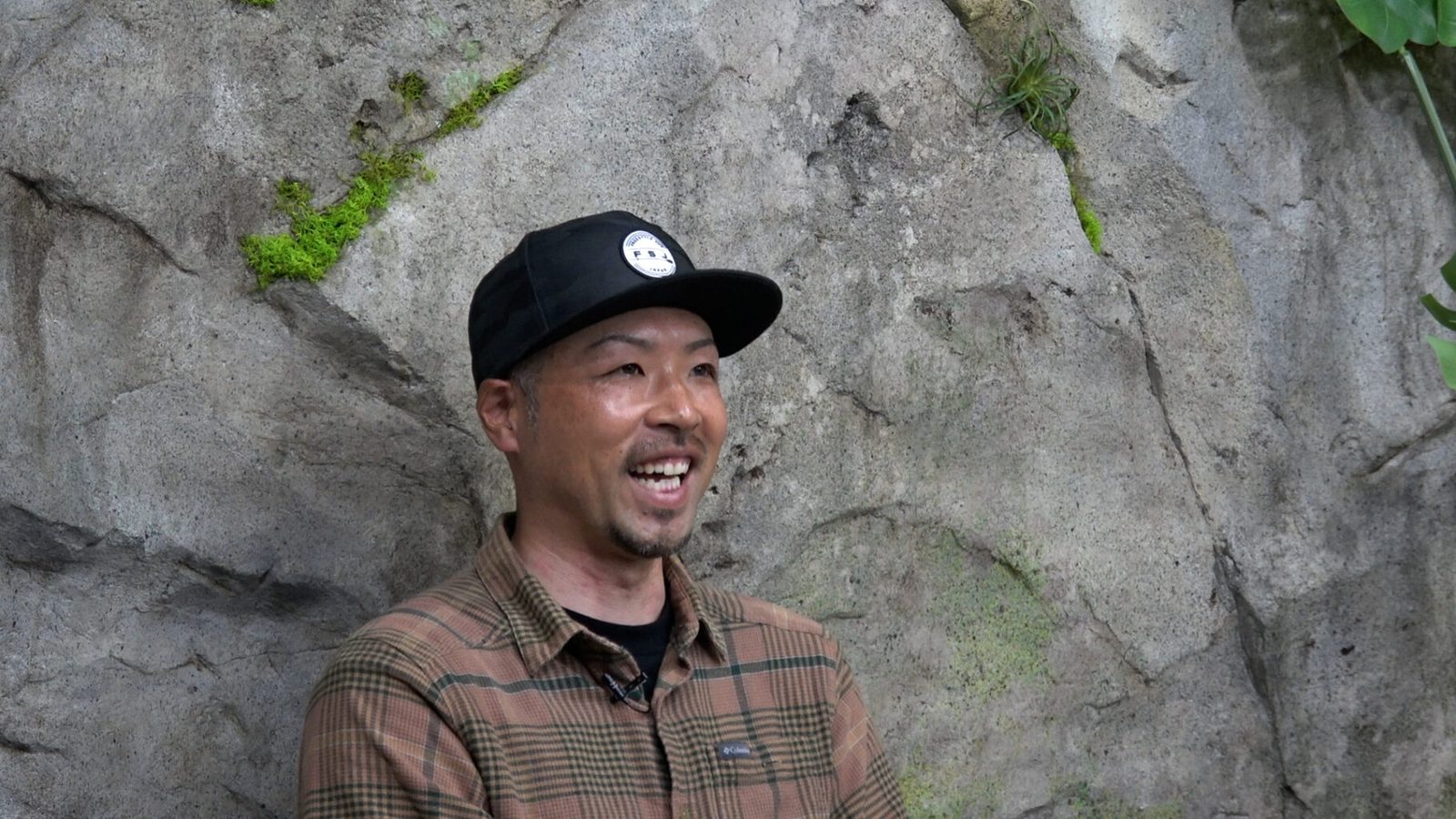
Mr. Sano of White Film
── About your video production work
I work freelance, and my main focus is shooting snowboard footage in the winter.
── What made you enter COWDAY FILM
I saw it on social media and other places. When I heard COWDAY was running a film contest, I felt like, “I want to make something, enter it, and test my skills a little,” so I entered.
── It looks like you submitted several entries last year
Yes, I entered three. I wanted each one to be seen as a different piece. The person filming and editing is the same, but the riders being filmed are different, so I wanted to show those differences. That’s why I hoped to enter a few films.
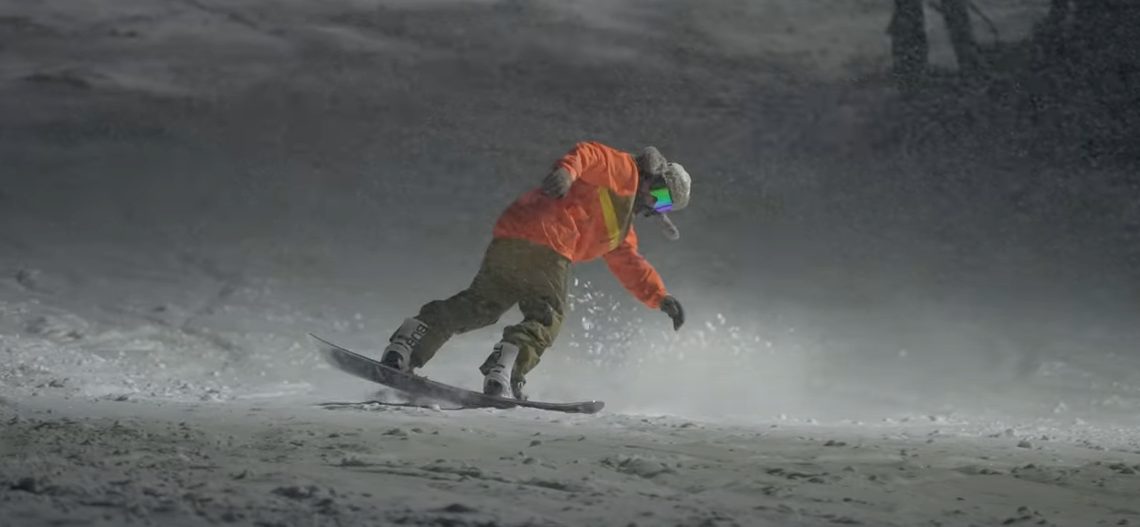
One of last year’s entries
── Your relationship with the riders you work with
It starts with them telling me, “I want to film.” While taking on those requests, the idea of entering my own work in COWDAY FILM came up. With riders, the most important thing is the connection. Hiroto, who won the grand prize last year, also came through that kind of connection.
── Making a film with rider Hiroto Ikegami
With Hiroto, his level of carving is extremely high. He’s been doing freeriding and park since he was little, so he’s also really good at tricks. So I wanted to show fast-paced tricks on top of the carving. The other thing is that he’s still young. I’d been wanting to “put a spotlight on him as a rider who’s going to keep getting better,” so I reached out to him.
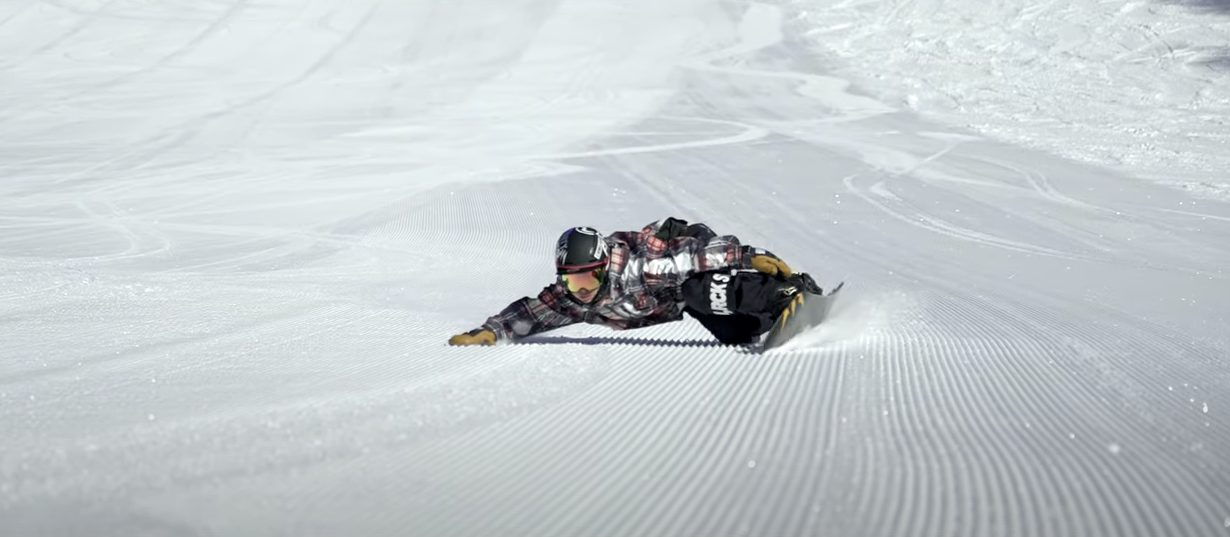
The film with Hiroto Ikegami
── Your filming gear
My main camera is the Sony FX3. I want to keep things mobile while still getting good footage, so I choose a fairly compact camera.
── What matters when filming carving and ground tricks
Carving is a series of turns, so I think the most important thing is to properly capture the transitions and the overall flow.
── What you focus on when editing
On a basic level, the overall flow and mood should be consistent. I try to make films that don’t feel stressful to watch. Color is one example of that. I also use a lot of slow motion, and I’m careful to avoid dropped frames. I’m aiming to make films that, once you start watching, pull you in so much that they’re over in an instant.
── Making a film together as a team (with friends)
“How to film it” is important for getting good footage, but I think filming each other with your team or friends and enjoying the shoot itself is also important. In that sense, riders can go into the shoot relaxed, and I think that’s how good films come about.
── What changed after winning the COWDAY FILM grand prize
The biggest thing is that it got the name White Film out to a lot of people. When I travel for shoots, people sometimes come up to me and ask, “You’re White Film, right?”
── What you’re aiming for and want to do as a filmer
I’d like to be able to shoot all kinds of snowboarding — freestyle, alpine, park, backcountry, and more — so I want to keep moving and shoot without limiting myself.
Above all, I want to make films that the people I film are happy with, so I hope to be a filmer who doesn’t get too caught up in my own point of view.
── Looking back, what was good about entering COWDAY FILM
I was really happy that I could enter the work I wanted to make, and that there were people who recognized it. I want to keep putting out more and more films.
── A word for anyone on the fence about entering COWDAY FILM
I don’t think you need to worry too much about the barrier to entry or your level. Video production is a process of filming and then editing, but I think it’s fine to start by editing a compilation of clips. When I started, there were times I couldn’t edit well either, but by making something, you start to see what you need to work on. I think the best thing is to take that first step — just make something and enter it.