
Judges' Comments and Reviews [COWDAY SNOW CREATIVE FEST2024]
This article shares some of the reviews from COWDAY CREATIVE FEST2024, held on Saturday, November 9. Some of the films have already been released, so enjoy them together with the comments.
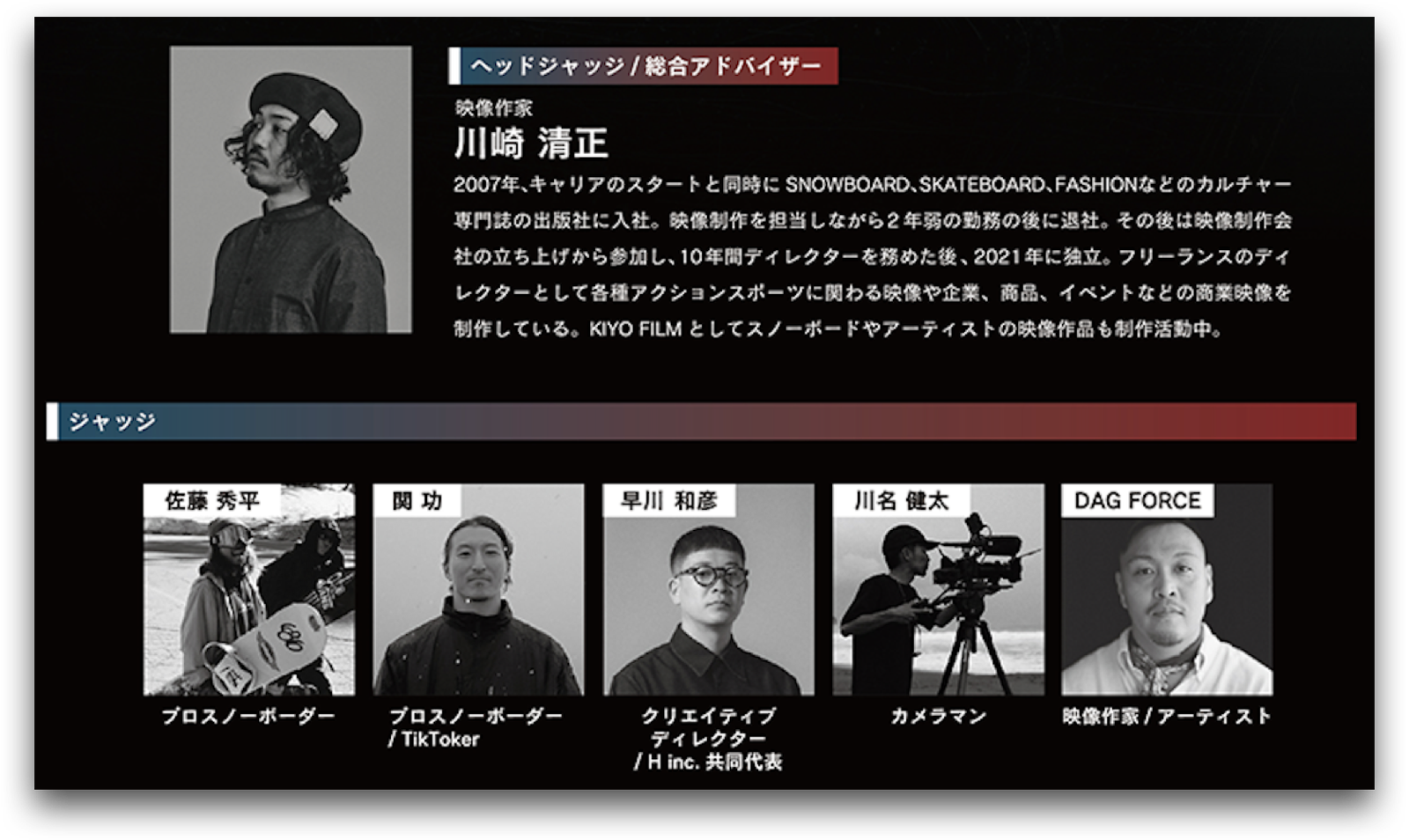
Judges (6)
- Head judge: Kiyomasa Kawasaki, KIYOFILM
- Creative director: Kazuhiko Hayakawa
- Photographer: Kenta Kawana
- Artist: DAG FORCE
- Pro snowboarder: Shuhei Sato
- Pro snowboarder: Isao Seki
Invited Creators’ Works
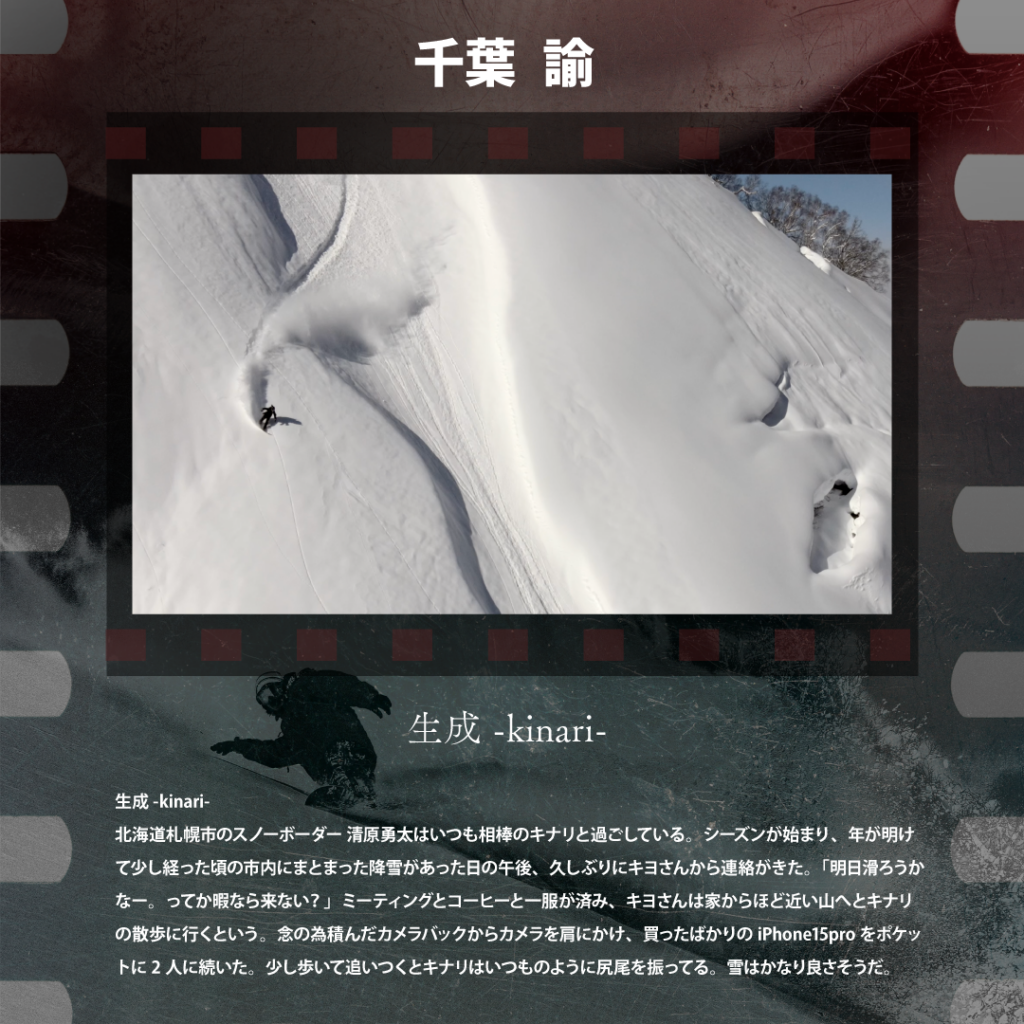
”Kinari” (Satoshi Chiba) *COWDAY SNOW CREATIVE FEST2024 Grand Prize
Link to the film: https://www.youtube.com/watch?v=6WaJMjhzYEs
Kawasaki: “It documents what Yuta Kiyohara does day to day. It’s extraordinary, yet it feels everyday, and the fact that this is what he does every day really stands out. The sound is good too. It doesn’t rely on tricks; it shows things straight, and the direction is great. The iPhone footage is good as well. For capturing the reality of everyday life, the iPhone is the best camera there is, and having that footage sprinkled throughout helps create that everyday feel. It doesn’t have to be a cinema camera. It’s everyday life, but there’s something extraordinary inside it. It matches the rider’s aesthetics and philosophy too. It turned out like this because it’s the combination of Chiba and Yuta Kiyohara. It made me feel how important the relationship between rider and filmer is.”
Sato: “So good! Kiyohara is my senior, but putting that aside, he’s really good. There are jumps and slashes in his lines, and he turns exactly where you want him to. It’s great how clearly you can see that this is Kiyohara’s everyday life and how he plays. I think Satoru and Kiyohara could make this because they’ve been together for so long. That’s pro. Respect.”
DAG: “The music, the color palette, the tone of the text, the color of the footage, the video effects: there’s a unified mood throughout, and it felt original. The way the music shifts in the middle is especially well done, and from there the move into a more ‘aggressive everyday’ is smooth and rhythmic, and it keeps going without breaking the overall mood. That was brilliant. You can feel the attention to detail, and it’s exciting. I was also impressed that the music conveys that Hokkaido feel and atmosphere."
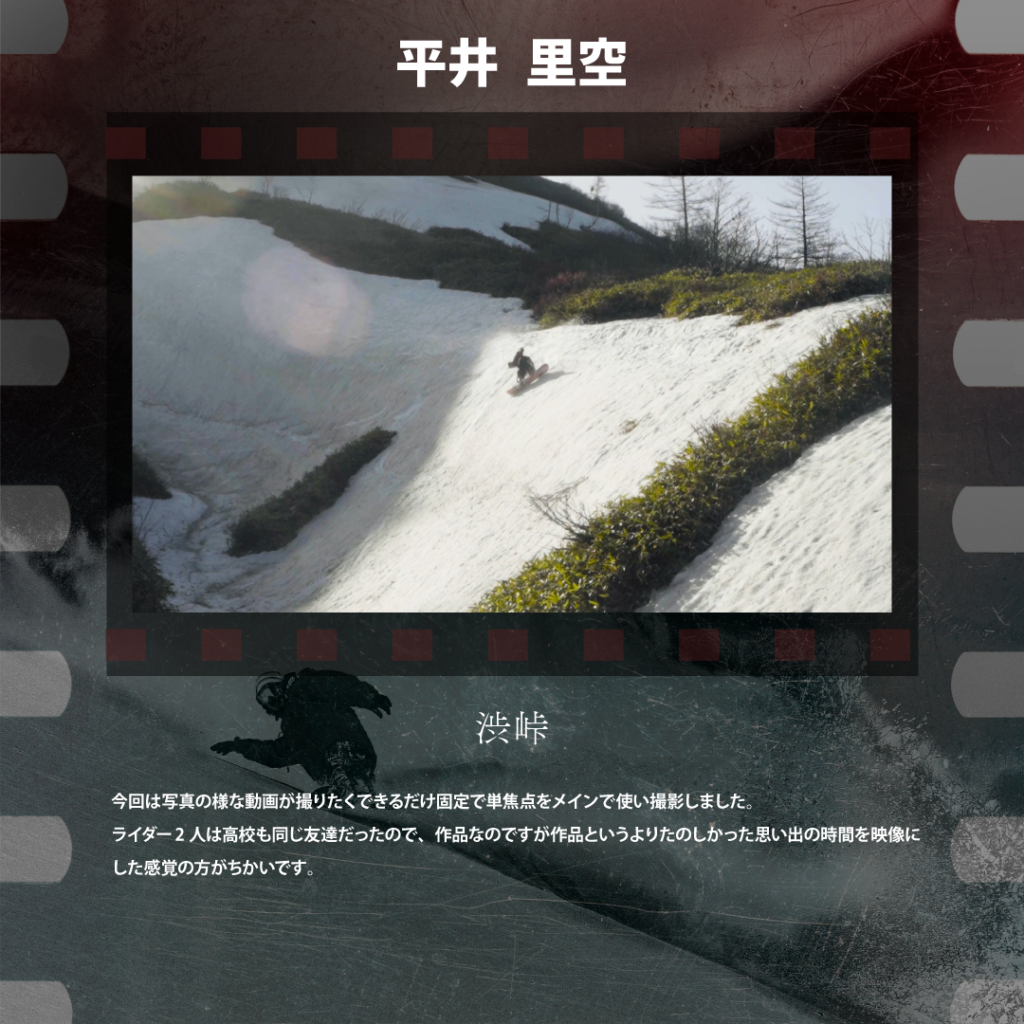
"Shibu Pass” (Riku Hirai) - Snowboarding with childhood friends, captured with a prime lens
Link to the film: https://www.youtube.com/watch?v=zXxOD5VoMy4
Kawasaki: “The world of the film is fully formed. The viewer can get immersed in the world the creator built. In that sense, its artistic quality is head and shoulders above the rest. You can feel the atmosphere of this trip, what that time was like. It needs no explanation in words; it has the kind of quality in footage that can’t be put into language. I think that’s what film is for, and this work reaches that level. The fixed, photo-like angles feel very current. It gets even better on a big screen. The wide shots are close to how you’d present something on a stage: the viewer can watch the riders or the scenery, and a philosophy is expressed. I like that you can find what to look at for yourself. You can feel commitment and intent in the color and texture too. The riding is right in the middle of current trends, and it’s cool because these two riders are doing it. That’s another strong point. There are two riders on screen, but the director is clearly in that world too, so even though there are two people, it feels like three. You can feel the time they all spent together; you really sense there’s one more person there. The riders look at the filmer, and in those moments they’re looking at his eyes, not the lens. The filmer’s voice is in there too, so he’s present even when he’s not on screen. You can feel the time everyone spent on the trip. It has a clear direction as a work of art. It’s not about tricks; I feel the brilliance and strength of intuition.”
Kawana: “It’s a film made with a prime lens, but the close and wide shots are well balanced, and it felt like a real work. I liked the immediacy of the handheld shots of the people and the framing that keeps the landscape in mind. The grading also has a really good texture, and I could tell it was carefully edited.”
DAG: “It had a cinematic world to it. The use of music is nice too. It matches the scenery and atmosphere of mountains in the spring melt with the arty world of the music, and because it builds out from that core, the world feels unified. I was bothered, though, that the first half seemed too focused on syncing cuts to the music. Also, precisely because the world comes through so clearly, I’d like more care with how voices and natural sounds are mixed in and at what volume. Even if it fails, I want you to put your commitment front and center. I’d like to see many more of your works.”
Sato: “It’s great riding together in the late-season snow after the main filming season is over. Since I know these are talented young riders, I was hoping for some heavier riding too. But they ride really well."
"lowedservice.ep02” (Lowedservice) - A street snowboarding film based mainly around Uonuma
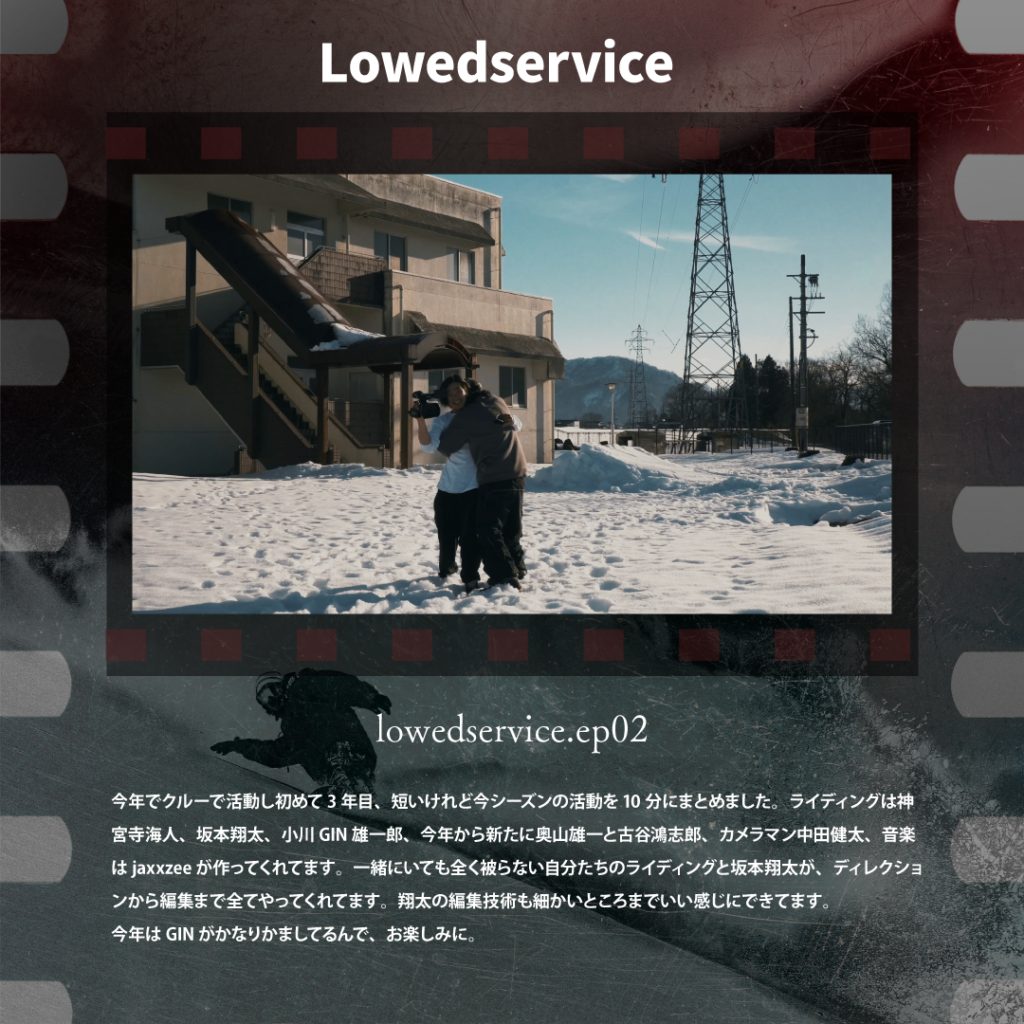
Kawasaki: “The local feel, passion and energy are all out front. You get the local vibe and the sense that everyone did this together through the whole season. There are many ways to show passion and energy, but here it comes through just from them moving in front of the camera. It’s a simple approach, and it’s really strong. It’s gritty in a good way. Unpolished. I like how raw it feels. It moves you like high school baseball does. The sound is raw rather than gimmicky, and that’s good: a simple beat without needless additions. I think it’s a work that can move people without any tricks. The ending felt long, but the gratitude to everyone around them came through.”
DAG: “Is the music original? It sounds like it’s saying ‘Lowed.’ If you’re going to push local originality and an underground feel, I’d like more attention paid to things like the fonts. Also, the same music going on and on gets tiring. The footage alone doesn’t get old, but the one-note music makes it drag, so I’d like more variety in the music. The end credits are a bit long… I don’t think you need to stretch them out.”
Seki: “A film that stands out for its hard street spots. I’ve done street myself, so I know this, but big spots feel about 30% bigger in person than they look on video. I thought the last spot was insane. I also noticed they tend to build the landing pile for drops right in front. Haha. For me, this is a film I want to dig into in much more detail."
"Heart Films “KEEP ON JOURNEYING"" (Keiji Tajima) - The first trip in four years, to the Lofoten Islands in the Arctic Circle
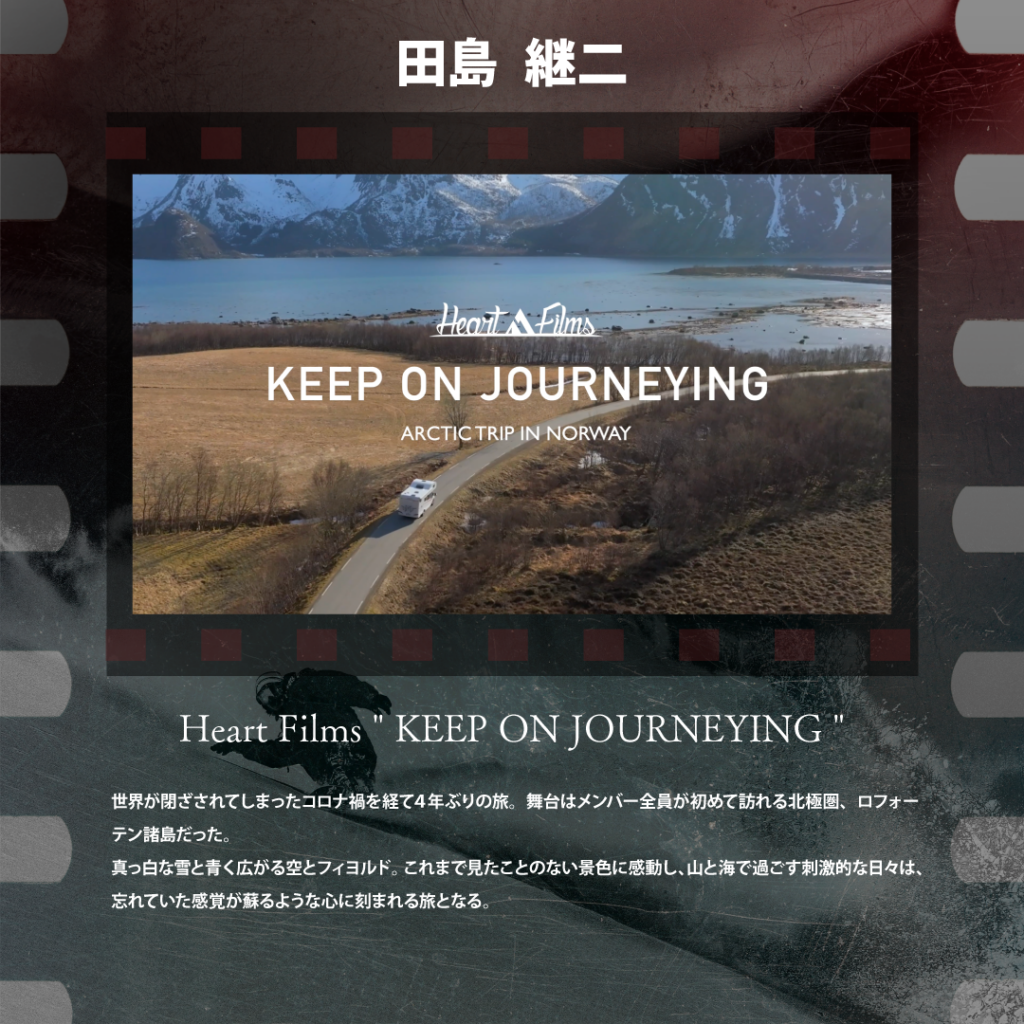
Kawasaki: “Going to places ordinary people can’t reach, like the Arctic Circle, with riders and making a film there already has value in itself. Being able to do that at all is amazing, and it’s a big advantage. Honestly, just going there and coming back with footage is valuable. The riding terrain, the sea and so on look fantastic. But with a location like the Arctic Circle, I thought there might be more things that ordinary people would find interesting: the sound of a fire truck, the cold, things you can almost touch. As it is, it ends up being just riding in the alpine, so small details like leaving the airport, what the town is like, or the journey to the terrain would pull viewers in even more. If it’s a one-shot battle on visuals alone, people are already used to that, so small things like the atmosphere of a different town could be what sets it apart. It would have been even better with elements of atmosphere and story that move the people who want to watch it.”
Sato: “The crew is highly experienced, so it’s impressive that they could go from Japan to a place they’d never been and get access.
I wanted to see the lines run longer. They’re long lines, but the edit chops them into cuts, so it’s hard to feel how big the mountains are. Since it’s overseas, I went in expecting somewhat crazier riding or locations.”
Kawana: “The drone shots were nice angles that gave a sense of grandeur. Drone footage can easily feel bland, but these seemed to capture the composition of the background and the terrain well. In the riding shots, the smooth control kept the riders in frame and made them easy to watch. Overall it felt crisp, maybe because of a fast shutter speed. In terms of texture, since the location is so good, I think the grading is something they could push further. I’d also have liked to see closer, rider’s-eye angles with a sense of speed, such as GoPro angles."
"GOOD PLACE” (Keisuke Shimakata) - A street snowboarding film full of originality
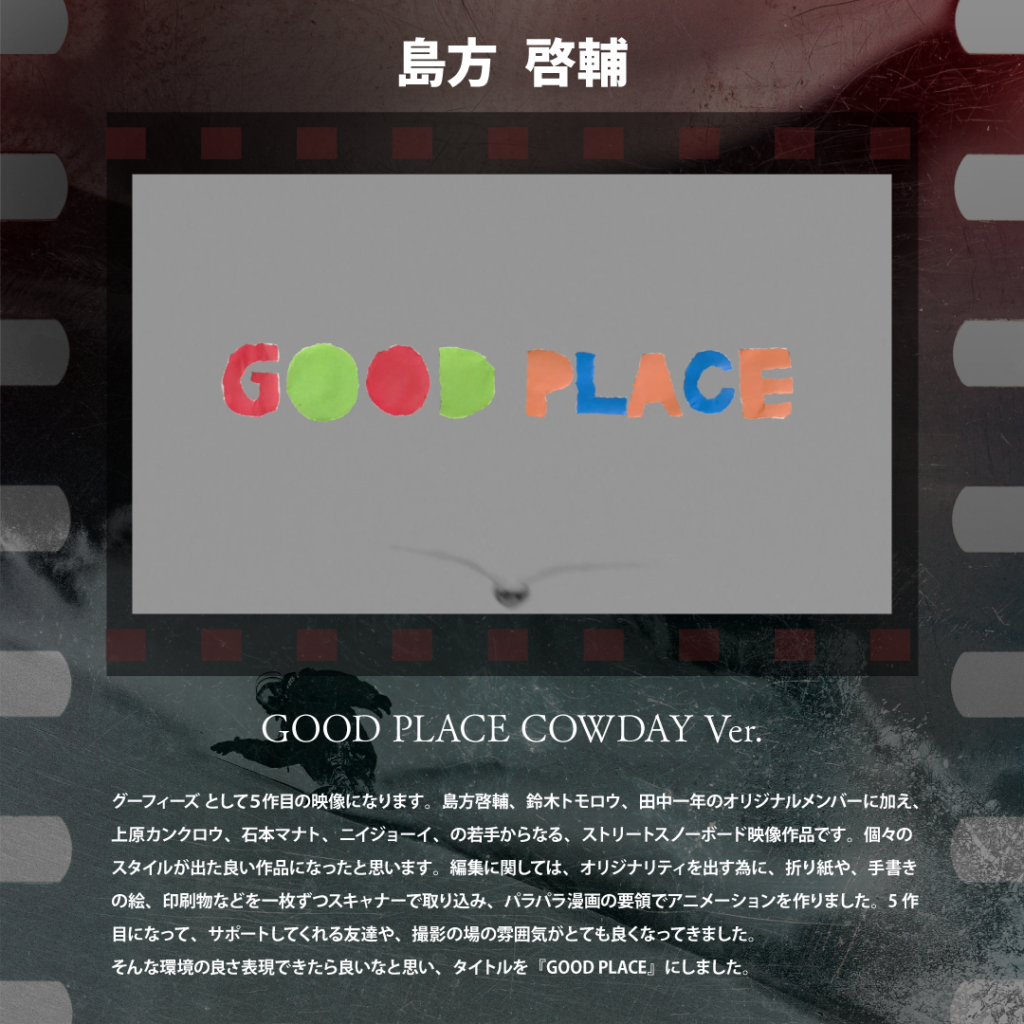
Kawasaki: “As a pop presentation, it’s superb. It’s pop, and it’s really good. Pop things are easy to watch even from the viewpoint of other cultures. I think it’s one form of street snowboarding. Even people outside the industry would find it interesting to see that this kind of thing exists. Each rider’s style is unique and tricky. You can see all kinds of snowboarding loves, like ‘they must love Bear Mountain and California.’ I felt it might be a bit long. I understand wanting to show everything you filmed. Since it’s pop and easy to watch overall, there may be an ideal length. Thinking of someone who knows nothing about it watching, it might feel a little long. If there were a bit more variety in how it’s shot, it could feel shorter. The editing is good, so the way it’s shot and what you cut are important too. Overall it’s a really good film.”
Seki: “It gives you the satisfaction of watching a well-crafted film. The first part especially has lots of different ways of using street features and fun ideas that keep it from getting old, and there were difficult tricks too, so I could really feel Shimakata’s high technical level as a rider. It’s a film I’d want to watch again.”
Hayakawa: “It was packed with content and well worth watching. In the captions and scene transitions, I can see the intent to create an inventive presentation with DIY graphics and effects, and the overall world is consistent, which I like. However, in the actual riding scenes, it tries too hard to show the tricks and scenes in an explanatory way, and it’s a shame that the appeal of DIY, the concept of its world, and its presentation weren’t put to use there. If the riding scenes had used more effects, more acrobatic and hyped-up camera angles, and more playful elements to entertain and draw viewers in, I think it would have been an even more enjoyable work of entertainment. For animation and effects too, there might be inspiration in all kinds of cultures, like music videos and films outside snowboarding. If it became a film that tries to entertain people in a fun, interesting way through video, I think it could reach people of all generations, from kids to adults, even those who don’t ride."
"My Story” (Takayuki Hoshino) - Following Sachi Tanaka, a mother and pro snowboarder
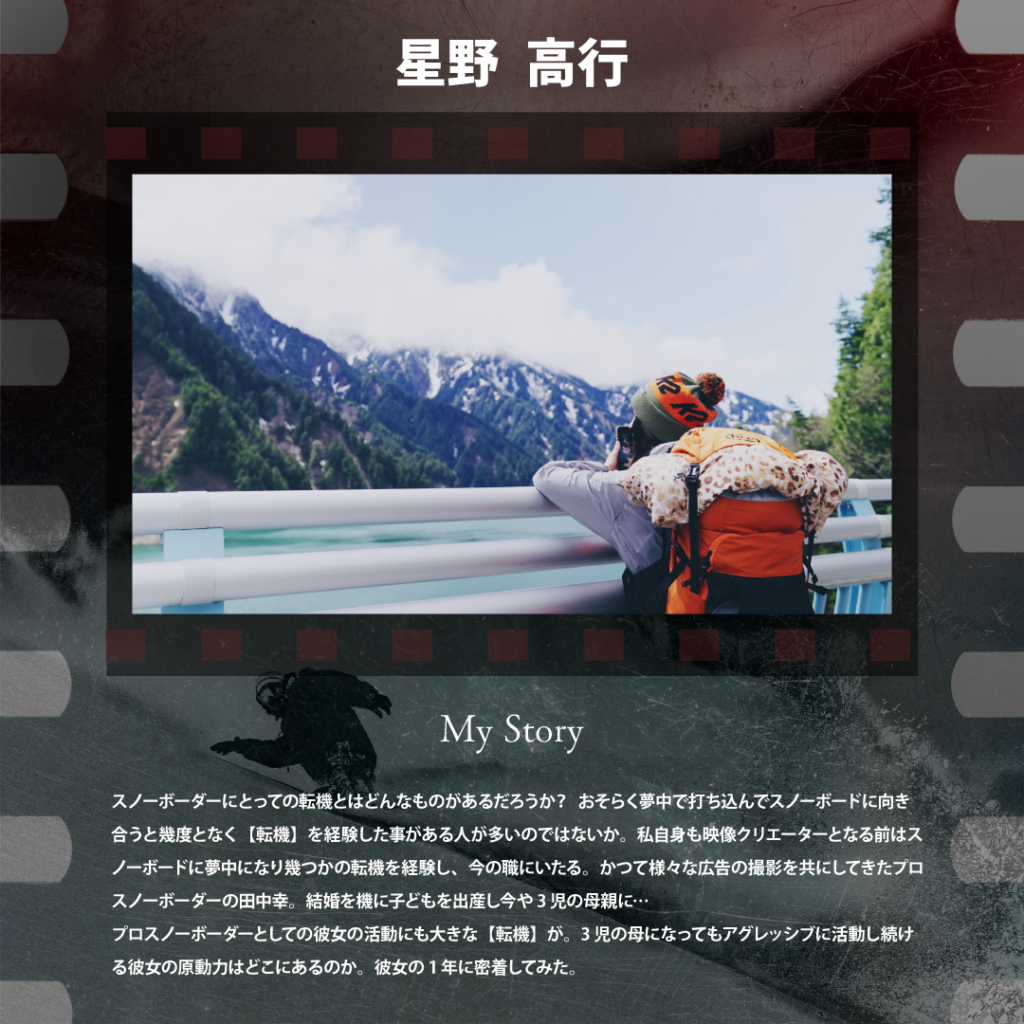
Kawasaki: “What Sachi Tanaka does was easy to understand. Even as a mother, she takes people to the mountains, and her activities as a snowboarder were clear. I understood what kind of things Sachi Tanaka does. I can feel intent in the color grading. In that sense, it’s good. However, it assumes you already know Sachi Tanaka, so it would have been better with a presentation that goes beyond the boundaries of the culture. I think it would have been even better if it conveyed more about why she does these things, and her passion.”
Kawana: “The longer a film gets, the more important inserts become to keep the story from getting stale, and this felt smooth without ever getting boring. With the grading, I was a little bothered by some inconsistency, and it would be easier to watch with a bit less shake in the handheld shots. It might also have been worth adding more information through captions to bring out the content of the interviews.”
Hayakawa: “For a documentary that gets close to a person like this, I think structure is extremely important. First of all, I didn’t know Sachi Tanaka, the pro snowboarder at the center of this film, and I couldn’t grasp what kind of person she is from the introduction. Through to the end, it was hard to read what kind of person she is, how she got to where she is now, and what her message is. The way she keeps chasing her dreams as a snowboarder while living the reality of raising children is wonderful. But beyond that, I think it could have been structured so that anyone can relate to something and get drawn into the story, with a clear focus for the emotion and something that stays with you after it ends.”
Open Selection Works
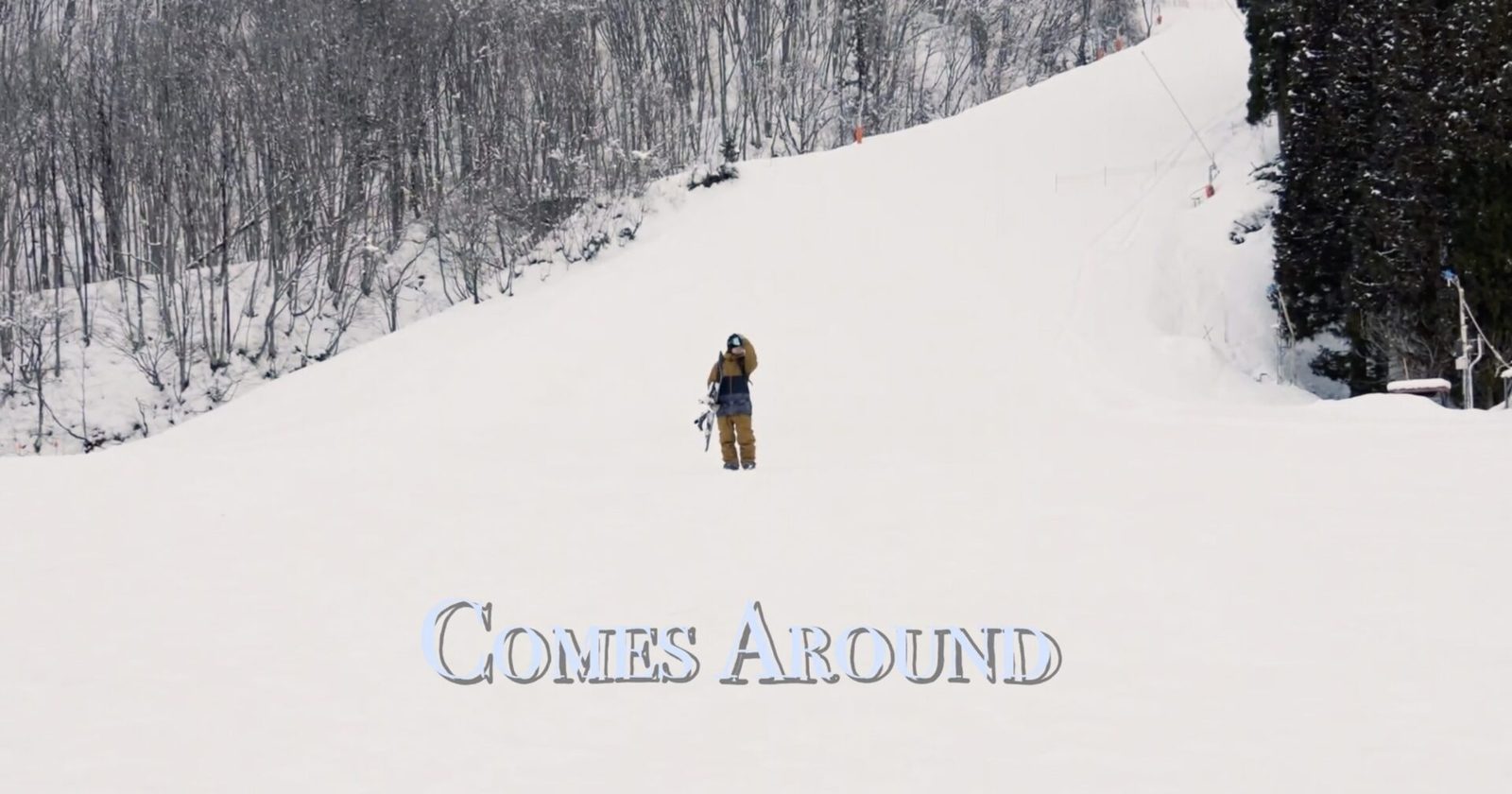
”Comes Around” (Fuyuki Ito) - A film expressing snowboarding through the changing stages of life *Blackmagic Design Award winner
Link to the film: https://www.youtube.com/watch?v=BHwgW6fUXAc
Kawasaki: “The local feel of 47. You can feel the love for this place, and it comes through from everyone. I even think this could be HAKUBA47’s ad. It’s really real. Seen from that angle, there’s nothing fake about it. Fake things don’t resonate these days, so it was a good film. As for the length, I did feel it might be a bit long.”
Hayakawa: “This film really conveys their love for, and the way they look at, the mountain they always enjoy. It doesn’t just express their riding and their fun; the snowy mountains, the snow surface and the environment behind each scene come across as attractive too, which is wonderful. In the editing of the jump scenes, some show the whole thing from takeoff to landing, while others layer partial shots just after takeoff or switch to a different angle. The edit never gets monotonous, the structure fits the music, and the sense of speed never stops, so it’s a pleasure to watch all the way through. I think it could be expanded into promotional films for ski resorts and the like.”
Kawana: “I liked the variety of shooting methods and the many different angles. Following a rider into the kicker yourself is something you can’t really go for without experience, so I loved the immediacy of those parts. The timing of the slow-motion airs and the cut-ins at the chorus also landed well. It’s a shame the cuts were slightly off the tempo of the BGM. With such varied angles and good pacing, it would have been even better if it flowed rhythmically. There seemed to be a lot of follow-cam shots on the kicker, so I’d have liked to see some other angles."
"The DAY jan” (Kazuki Takezono) - A film featuring snowboarders from the Tokai region
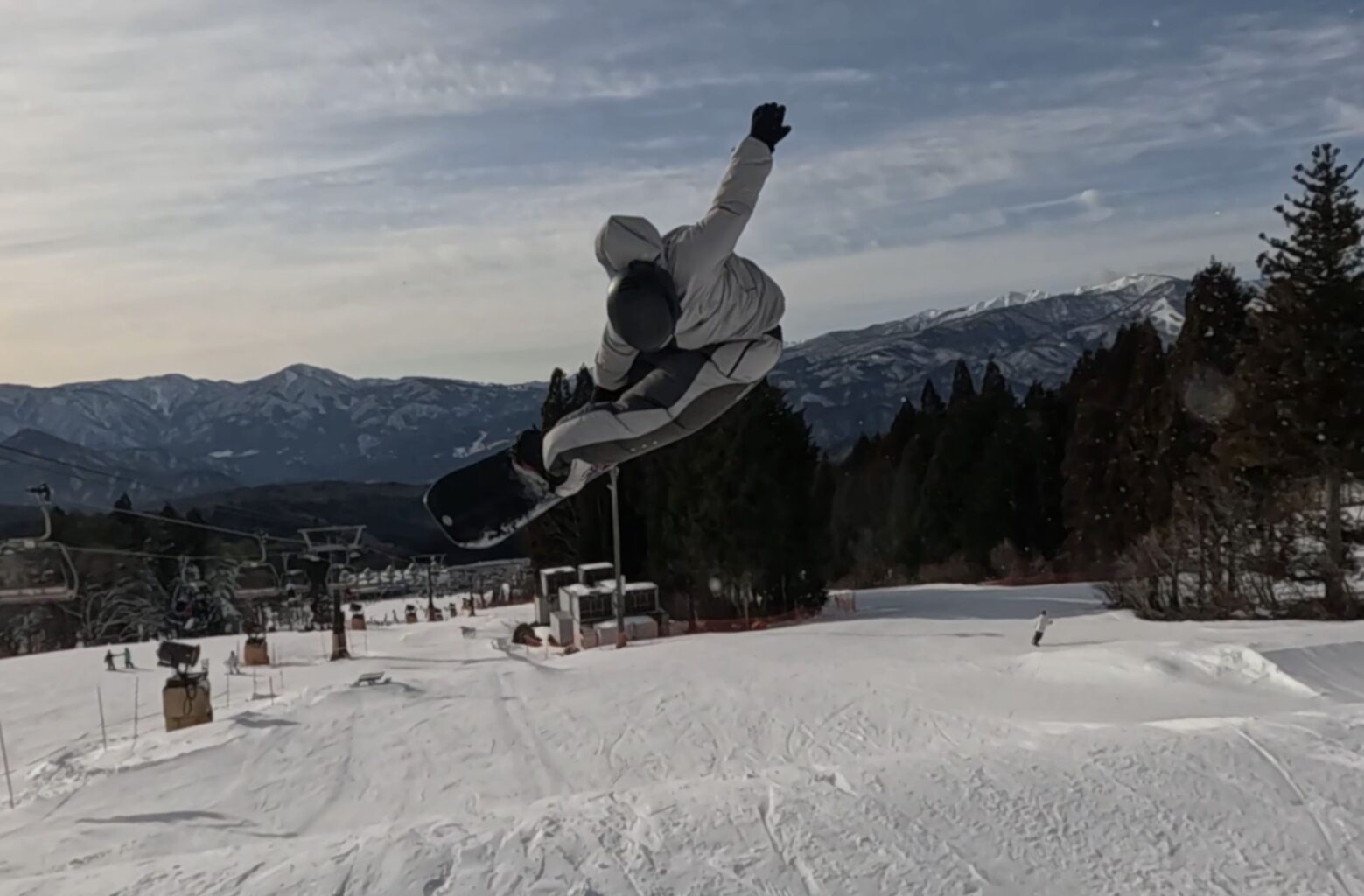
Kawasaki: “I like how the raw joy and emotion come out without any tricks. I feel something that can move people. I think there’s something to learn from watching this. Everyone has their own character, like the last person with their first make. It probably wasn’t intended, but it came across as direction. There are a lot of shots filmed the same way, so as a work, there are still points to polish, including the song selection.”
Hayakawa: “This film conveys the initial rush and honest excitement of enjoying snowboarding straight from the footage. It has the appeal of raw emotion that you don’t get in polished or overly clever edits, and a value that can only be created in this very moment. If I had to compare it to something, it had the youthful feel of a Pocari Sweat ad. I think when films like this are shared among people of the same generation, they can become the trigger for someone to start snowboarding and help grow new fans.”
Seki: “A film that tells you snowboarding is fun!! The last clip, probably someone landing their first BS 720, felt incredibly real, and I liked how you can share in the joy. I thought it would be easy to watch on something like TikTok. The slow-mo on the 3s felt shown a bit too long. Personally, it’s a film I like.”
Photo Works
Alongside the films, the venue exhibited eight photo works by seven creators. The lineup featured a rich variety of works that went beyond the genre of snowboarding, delighting visitors.
”The Whale’s Back” (HOLY) *Photo Category Grand Prize winner
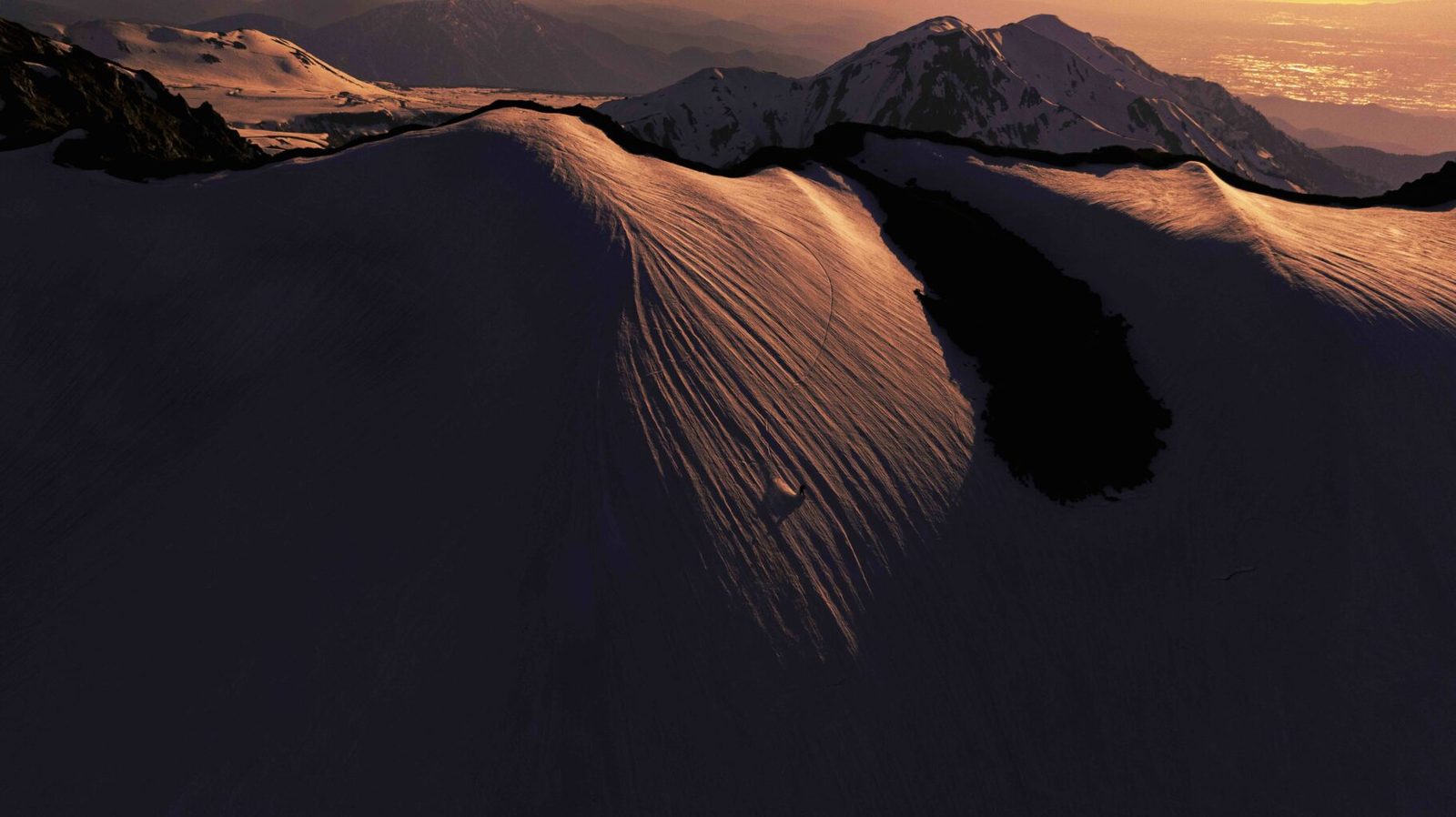
Comment: Not only is it highly polished as a photograph, the fact that it’s a self-shot is amazing. In a good way, this is a work we simply had to give the grand prize to. Superb.
Exhibited Works
”Painting” (Yume Okazaki)
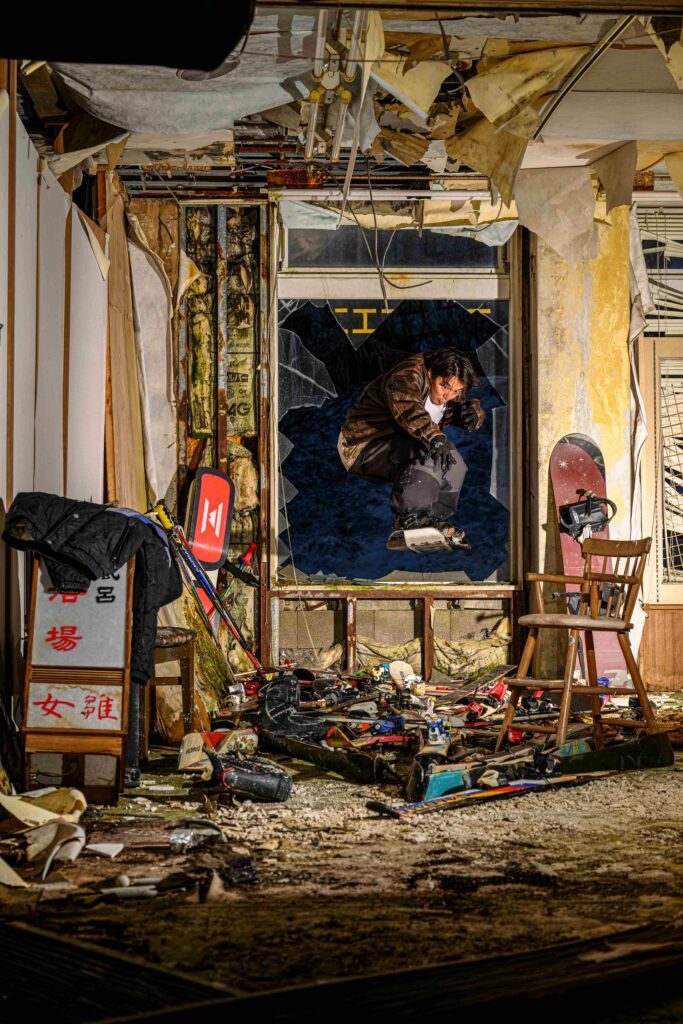
Comment: A work whose strong impact really stays with you. The title “Painting” fits perfectly.
”Spiral” (Takuya Nishinaka)
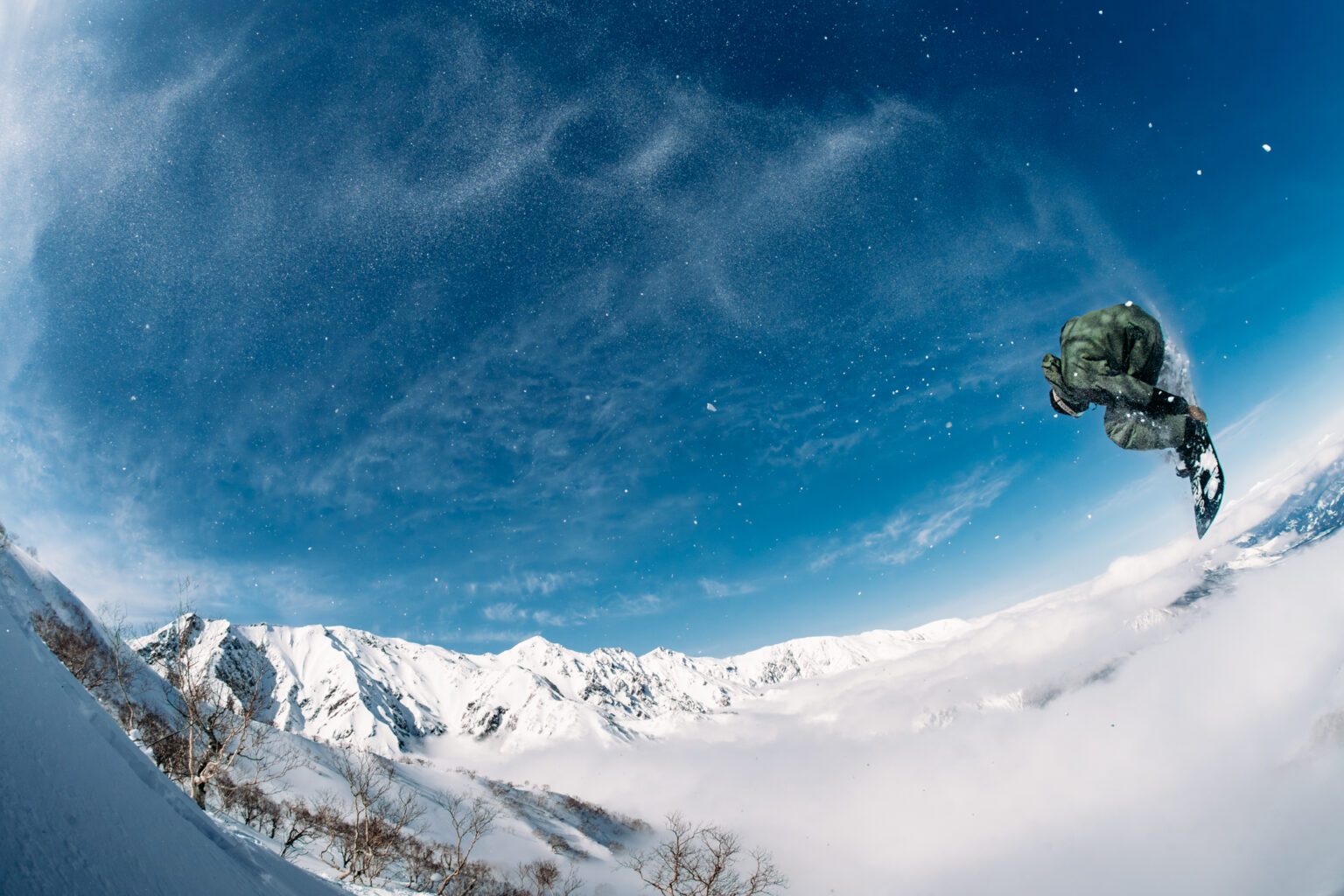
Comment: There’s a beauty in how the snow flying along the trajectory looks like stars, and the composition with the rider is good too.
“CLASSIC IS NEW” (Takashi Hanasaka)
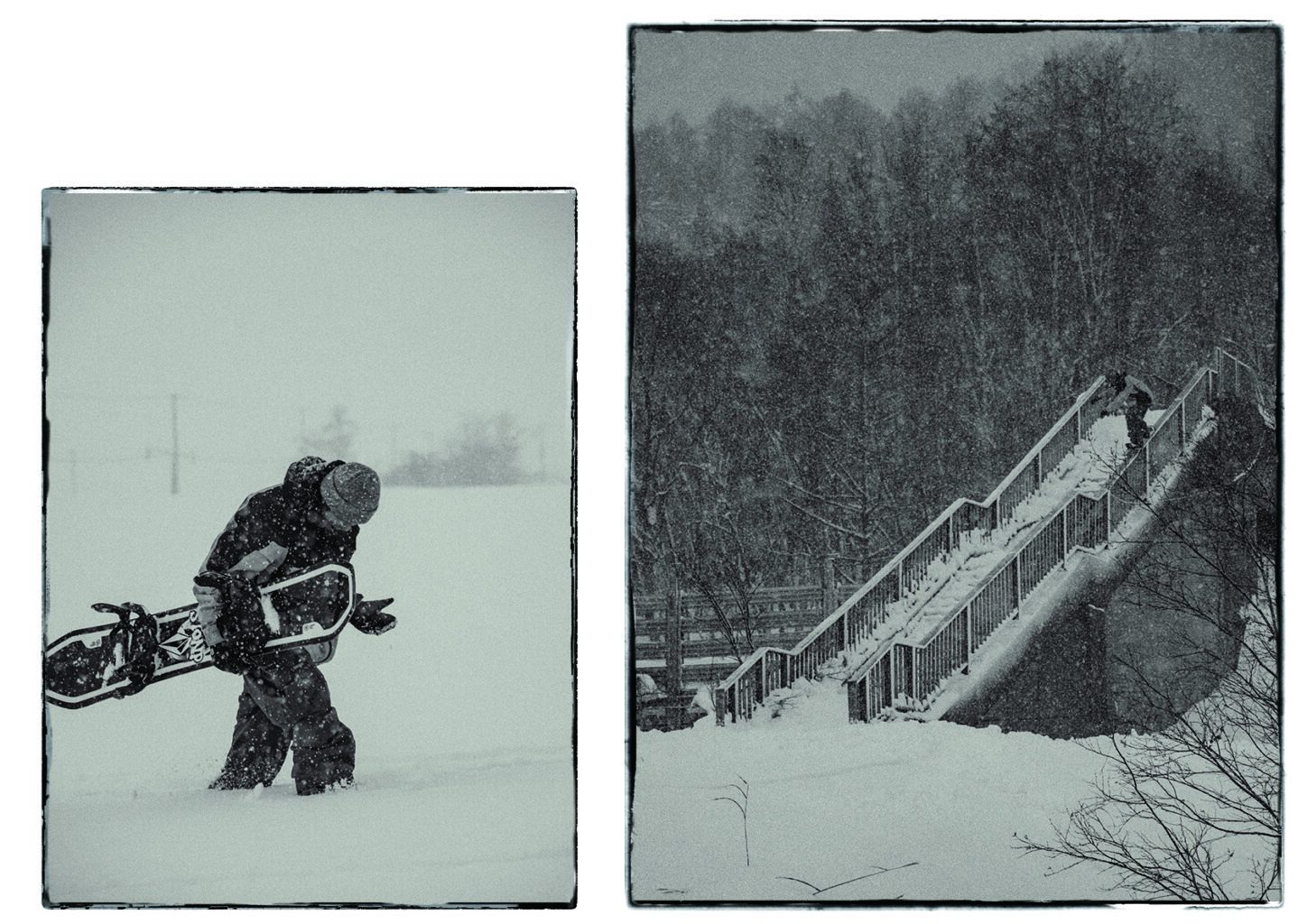
Comment: A work that conveys reality. It has a depth that makes you imagine the situation on site.
“Hayato Nagasawa” (Yamato Yasue)
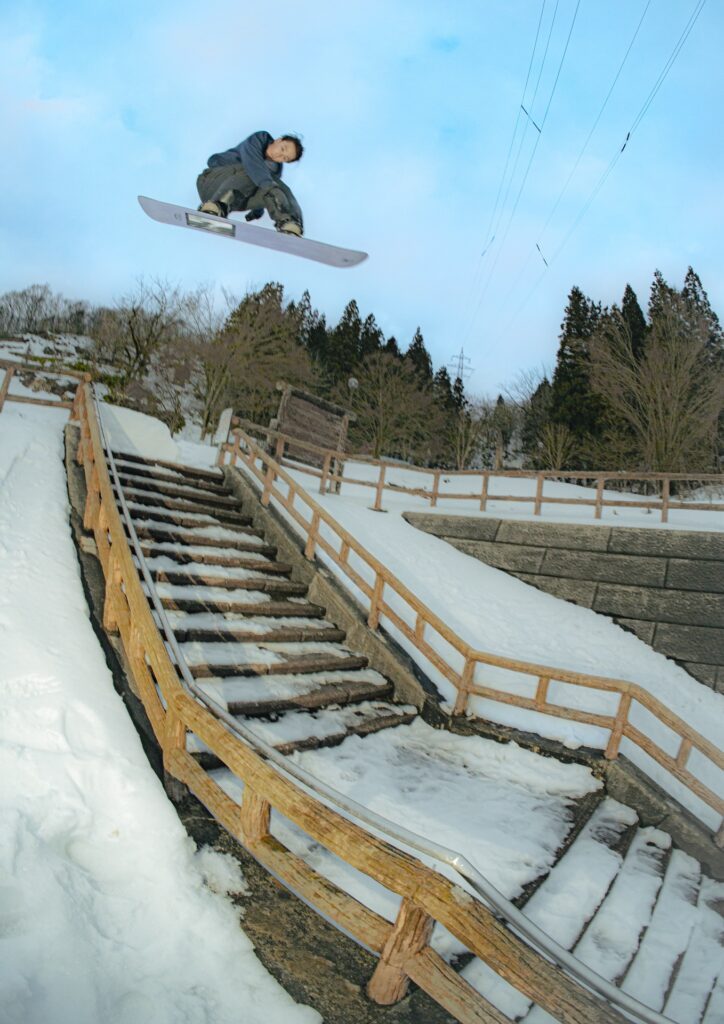
Comment: It captures a classic, quintessential street moment.
“On Set” (Yamato Yasue)
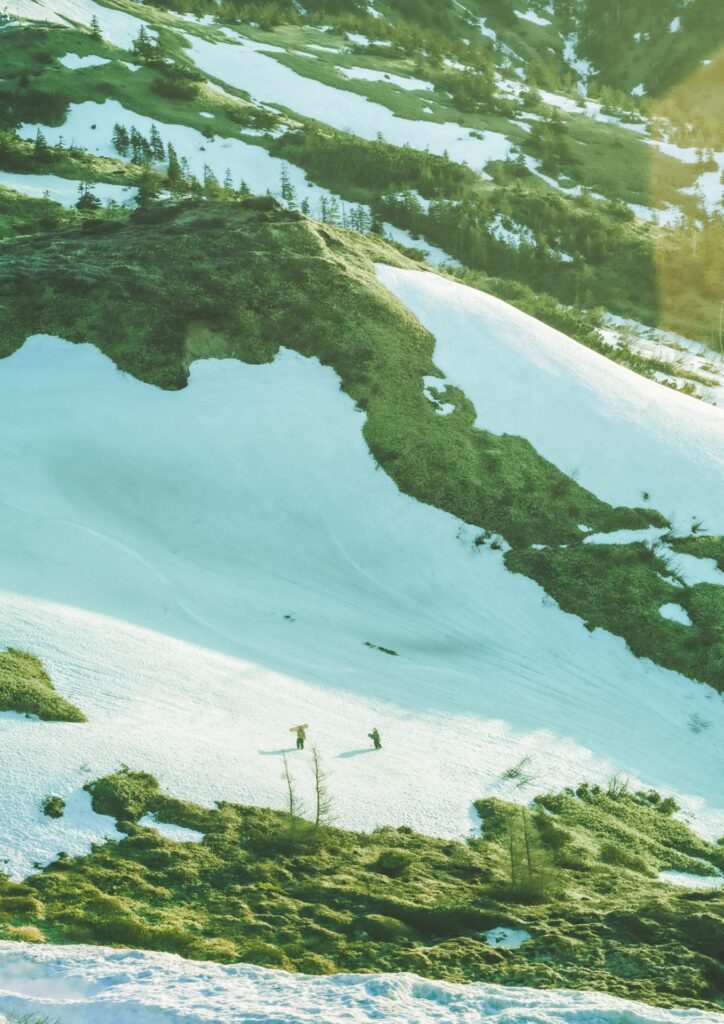
Comment: A good photo that makes you think about the story from the whole frame.
“Issen (A Flash)” (Naoto Yamakawa)
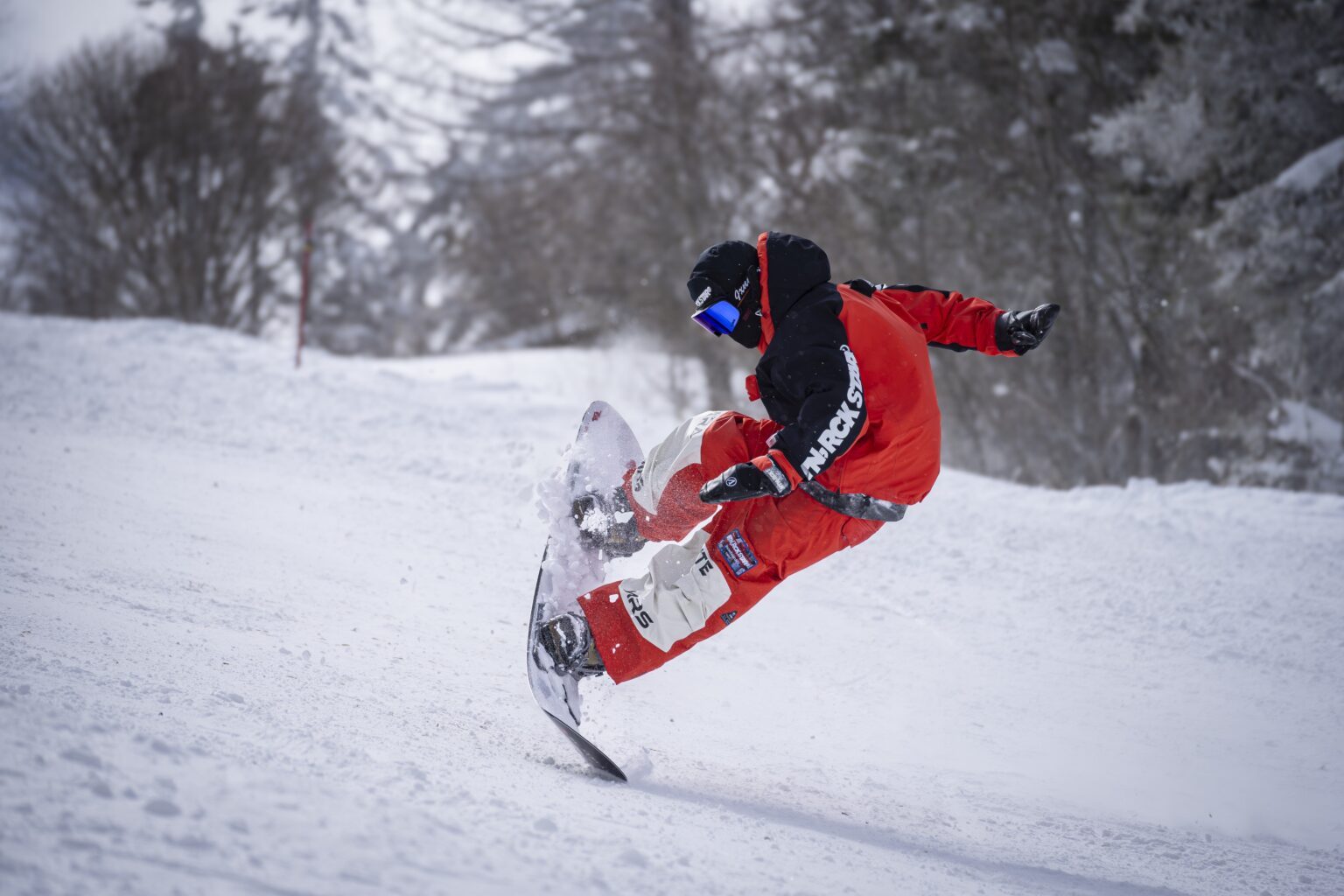
Comment: A work with a real sense of dynamism. It’s also good how it makes you imagine what came before and after, like what kind of turn he’s going into next.
“Playmate” (Keita Niwata)
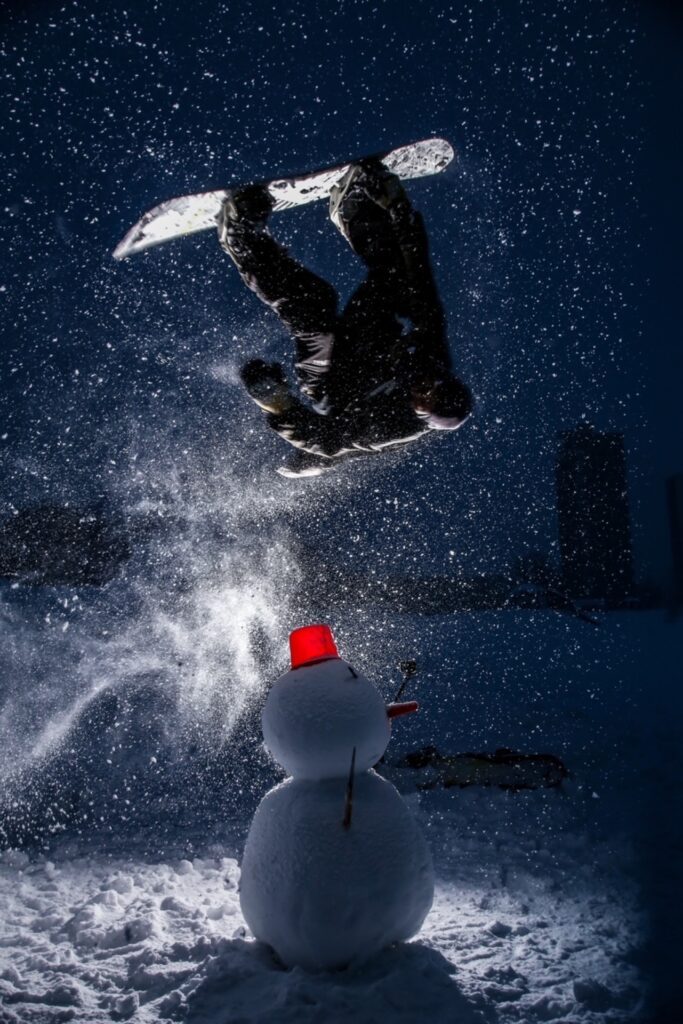
Comment: I found it interesting that a snowman was deliberately placed there.
In Closing: Event Report
COWDAY SNOW CREATIVE FEST 2024 Event Report [November 9, 2024 @ Omotesando, Tokyo]